
The "Furniture-First" Layout: Why Interior Design Starts with the Floor Plan.
One of the biggest mistakes homeowners make during a redesign is focusing on finishes before functionality. Paint colors, lighting, and décor matter, but great interior design starts much earlier, with the layout itself.
A furniture-first interior design approach prioritizes how people move, gather, relax, and live within a space before aesthetic decisions are made. When the floor plan is built around functionality first, the entire home feels more natural, balanced, and comfortable.
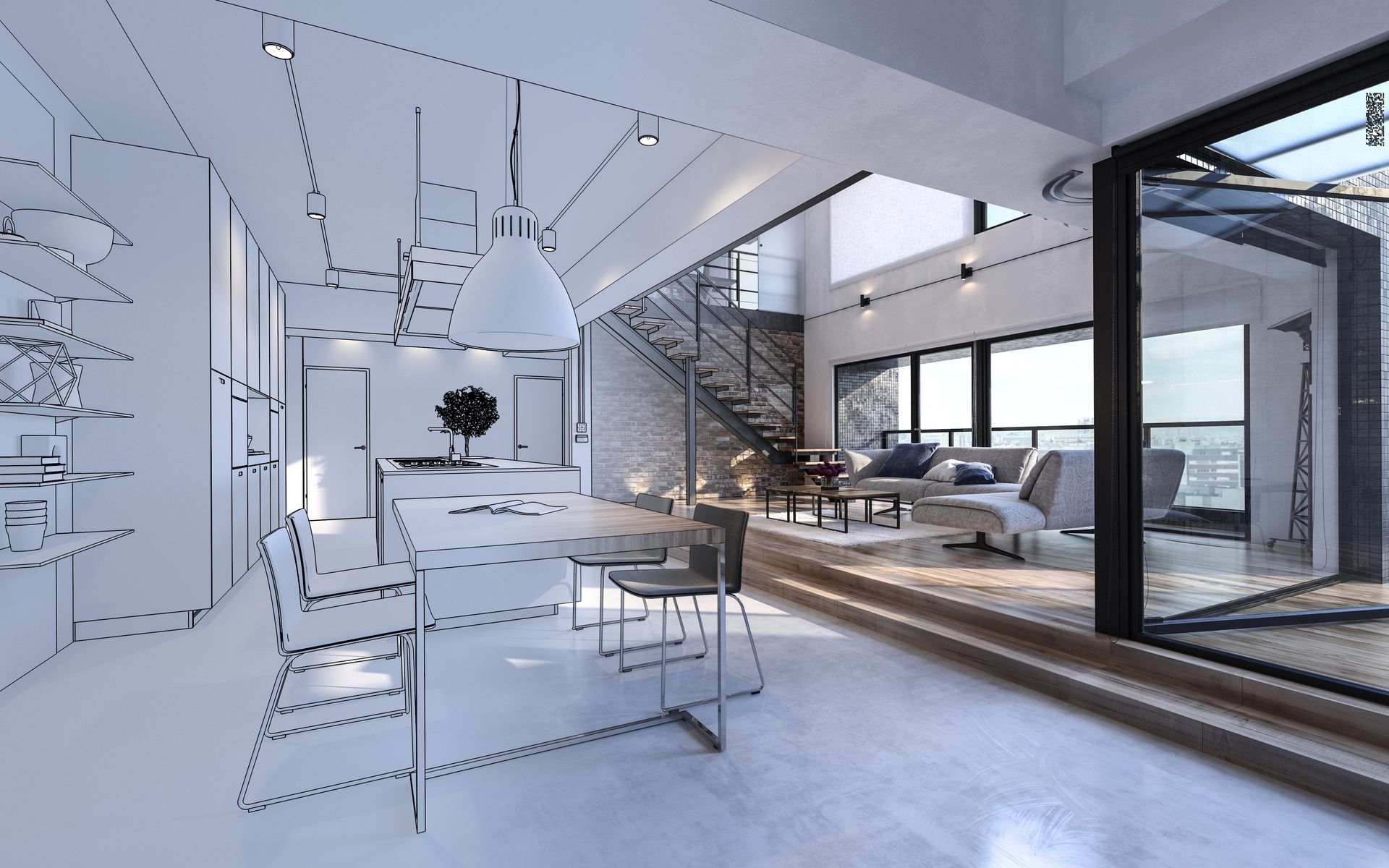
What Is a Furniture-First Layout?
A furniture-first floor plan is a design strategy where furniture placement is considered before finalizing the layout of a room.
Instead of asking:
“Where should the couch go later?”
The process starts with:
- how the room will actually be used
- where conversation naturally happens
- how people move through the space
- what furniture dimensions are needed
This creates rooms that feel intentional rather than crowded or awkward.
Why the Floor Plan Matters More Than Décor
Beautiful finishes cannot fix a poor layout.
Even high-end spaces can feel uncomfortable when:
- walkways are too tight
- seating feels disconnected
- rooms lack focal points
- furniture placement feels forced
A strong interior floor plan design solves these issues before construction or decorating begins.
How Furniture Shapes the Entire Room
Furniture affects nearly every aspect of a room’s functionality.
Traffic Flow
The placement of furniture determines how people naturally move through the space.
Good layouts:
- avoid blocked pathways
- create open circulation
- improve comfort and usability
Conversation and Gathering
A room should encourage interaction, not separation.
A furniture-first layout helps:
- orient seating naturally
- create balanced gathering spaces
- improve social comfort
Scale and Proportion
Oversized furniture in a small room can make the space feel cramped, while undersized furniture can make it feel empty.
Planning around furniture first ensures:
- balanced spacing
- proper room proportions
- better visual harmony
Why Open Concept Homes Need Furniture Planning
Open layouts are especially dependent on strategic furniture placement.
Without walls defining spaces, furniture becomes the tool that:
- creates boundaries
- establishes room purpose
- guides movement visually
This is why many open-concept homes feel unfinished or chaotic when furniture planning is overlooked.
The Most Common Layout Mistakes Homeowners Make
Many homeowners unintentionally design around aesthetics rather than usability.
Common mistakes include:
- choosing furniture before measuring
- pushing all furniture against walls
- ignoring traffic patterns
- prioritizing appearance over comfort
These issues often lead to spaces that look good in photos but feel awkward in real life.
How Designers Approach Floor Planning
Professional designers often start with:
- furniture dimensions
- room functionality
- movement patterns
- focal points
Only after those decisions are made do they move into:
- color palettes
- textures
- lighting
- accessories
This process creates spaces that work as beautifully as they look.
Why Functionality Improves Long-Term Satisfaction
Trends change quickly, but functionality lasts.
A thoughtful floor plan layout improves:
- daily comfort
- hosting and entertaining
- room flexibility
- long-term usability
Homes designed around real-life use tend to feel timeless and easier to live in.
Designing a Home That Actually Feels Good to Live In
The best interior design is not just visually impressive, it supports how people actually live. By starting with a furniture-first layout, homeowners can create spaces that feel natural, functional, and welcoming from the moment they walk in.
Ken Begies specializes in intentional interior design solutions that combine aesthetics with smart spatial planning, helping homeowners create spaces that truly work for everyday living.
What is a furniture-first layout?
It is a design approach where furniture placement guides the room layout before decorating begins.
Why does floor planning matter in interior design?
It improves flow, comfort, functionality, and overall room balance.
Should furniture be chosen before designing a room?
Yes, furniture dimensions and placement should influence the layout early in the process.
Why do some rooms feel awkward even with nice décor?
Poor traffic flow and improper furniture placement often cause discomfort.
Does furniture placement matter in open-concept homes?
Yes, it helps define spaces and guide movement without walls.